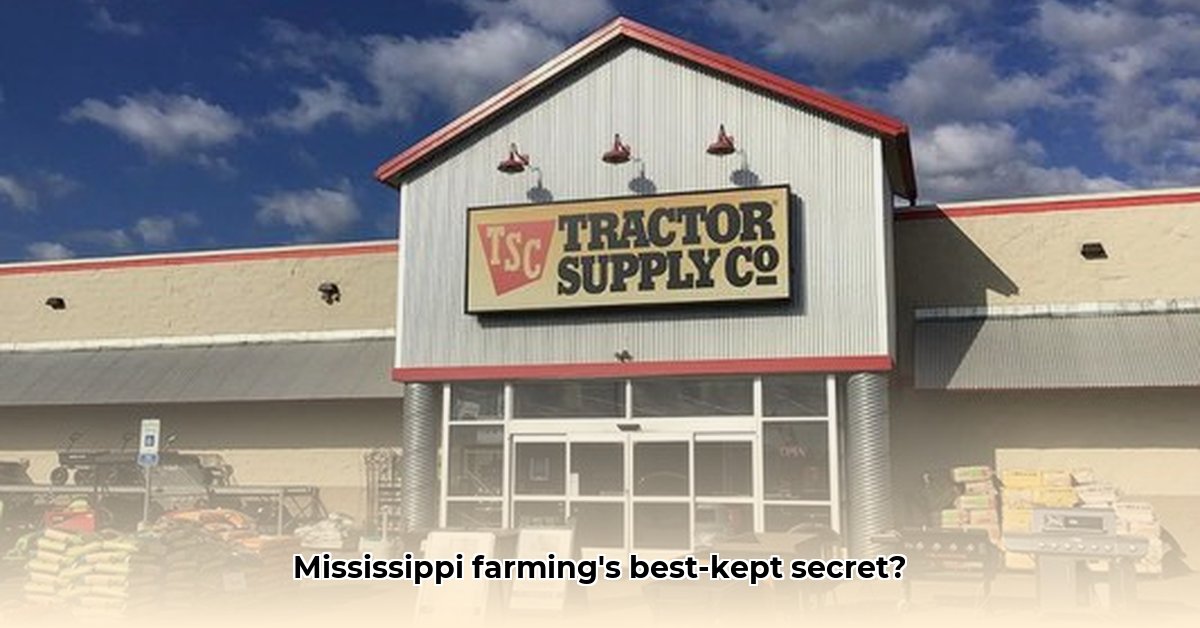
Tractor Supply Byram: A Local Hub for Sustainable Agriculture
Tractor Supply Company (TSC) in Byram, Mississippi, plays a significant role in the local agricultural landscape, serving a diverse clientele ranging from backyard gardeners to larger-scale farms. This article analyzes TSC's contribution to sustainable agriculture in Byram, examining both its positive impacts and areas requiring improvement. We'll assess product offerings, stakeholder perspectives, and the crucial need for increased transparency regarding sustainability practices. For more information on TSC's employee benefits, please visit this link.
Product Offerings and Accessibility: Convenience Meets Sustainability
TSC in Byram offers a wide array of products crucial for sustainable agricultural practices. These include seeds, fertilizers, tools, animal feed, and fencing – all readily accessible to local farmers and gardeners. This convenience is particularly beneficial for smaller operations, enabling them to source essential supplies efficiently. However, determining the sustainability of these products presents a challenge, as TSC lacks comprehensive information regarding sourcing and environmental impact. Do they prioritize organic options? What are their carbon footprints? These questions remain unanswered.
Case Study Analysis: Assessing TSC's Impact
TSC's influence on sustainable agriculture in Byram is multifaceted. The ready availability of supplies empowers local food production, supporting a vibrant local food system. Yet, the absence of transparent sustainability data significantly limits a complete assessment of its true impact. Without publicly available information on sourcing practices and environmental impact, it’s difficult to fully quantify the positive contribution to a truly sustainable agricultural landscape.
How does accessibility of supplies translate into tangible positive environmental outcomes? What are the actual sustainability metrics? The lack of clear answers poses a significant barrier to a comprehensive evaluation. Moreover, balancing the needs of larger operations with the growing demand for sustainable practices presents a clear challenge for TSC's future.
The Transparency Gap: A Need for Openness
A primary concern surrounding TSC's operation in Byram is the lack of transparency regarding its sustainability initiatives. Publicly accessible information detailing sourcing practices, environmental impact, and broader sustainability goals is notably absent. This opacity hinders a thorough evaluation of their role in fostering sustainable agriculture and erodes trust with environmentally conscious consumers. This lack of data significantly impacts the ability to fully assess both their positive and negative environmental contributions.
Stakeholder Perspectives: Diverse Views on TSC's Role
Different stakeholders hold varied perspectives on TSC's impact in Byram. Small-scale farmers value the convenience and accessibility of supplies. Conversely, many consumers increasingly demand greater transparency regarding the environmental and social impact of their purchases. The local community recognizes TSC as a vital resource, yet also sees the potential for enhanced partnership in promoting sustainable agricultural education. Meanwhile, competitors in the agricultural retail sector are likely adapting to the growing demand for sustainable products and ethical sourcing. Do these competing priorities create conflict? How can TSC balance its business model with sustainability?
Recommendations for a More Sustainable Future: Concrete Actions
To bridge the gap between TSC's current practices and a more sustainable future, several recommendations are crucial:
For Tractor Supply Company:
- Publish a Sustainability Report: Conduct a comprehensive sustainability audit, detailing sourcing practices, environmental footprint, and specific sustainability goals. Transparency is paramount.
- Implement Sustainable Practices: Adopt concrete sustainability measures, such as transitioning to more sustainable packaging, exploring renewable energy sources, and partnering with local organizations to promote sustainable farming techniques.
- Engage the Community: Collaborate with local communities and farmers on agricultural education initiatives. Workshops and demonstrations can build community relationships and foster shared commitments to sustainability.
For Consumers:
- Demand Transparency: Actively inquire about sourcing and environmental impacts when purchasing products from TSC and other businesses.
- Support Sustainable Businesses: Prioritize companies demonstrating a clear commitment to environmental and social responsibility.
For the Local Community:
- Prioritize Local Sourcing: Support local businesses and farms committed to sustainable practices, reducing transportation impacts and strengthening the local agricultural economy.
- Collaborate on Education: Partner with TSC and other organizations to offer community-based educational programs focused on promoting sustainable agriculture.
Navigating the Risks: Challenges and Opportunities for Growth
TSC faces significant risks related to its sustainability performance:
| Risk Factor | Likelihood | Impact | Mitigation Strategy |
|---|---|---|---|
| Lack of Transparency | High | High | Proactive disclosure of sustainability data; stronger communication with stakeholders. |
| Negative Environmental Impact | Medium | Medium | Investment in renewable energy sources; waste reduction initiatives; strategic partnerships with environmental organizations. |
| Changing Consumer Preferences | High | High | Adaptation of product offerings; highlighting sustainable aspects of existing products; continuous consumer research. |
| Increased Competition | Medium | Medium | Innovation in sustainable product lines; development of unique value propositions; focus on community engagement. |
TSC's long-term success, and the future of sustainable agriculture in Byram, depends on adapting to evolving consumer preferences and embracing environmentally responsible practices. Transparency, open communication, and concrete action are not merely beneficial; they are crucial for both environmental stewardship and business viability.